Vogue Philippines Builds a Village for Filipino Craftsmanship and Creative Heritage With Vogue Threads 2026: The Vogue Village
11 November 2026
Vogue Philippines marked the fourth edition of Vogue Threads with a showcase of Filipino creativity, craftsmanship, and cultural heritage. At The Henry Hotel in Pasay City, Vogue Threads 2026: The Vogue Village transformed the heritage compound into a three-day experience from October 26 to 28, exploring the connections between fashion, art, culture, wellness, beauty, and Filipino identity.
This year’s theme explored Ancestral Intelligence and Artistic Intelligence, recognizing the knowledge passed down through generations alongside the creative expression that continues to shape contemporary Filipino culture. The concept took form through five houses, each offering a distinct perspective on the traditions, people, and practices that shape the country’s creative landscape.
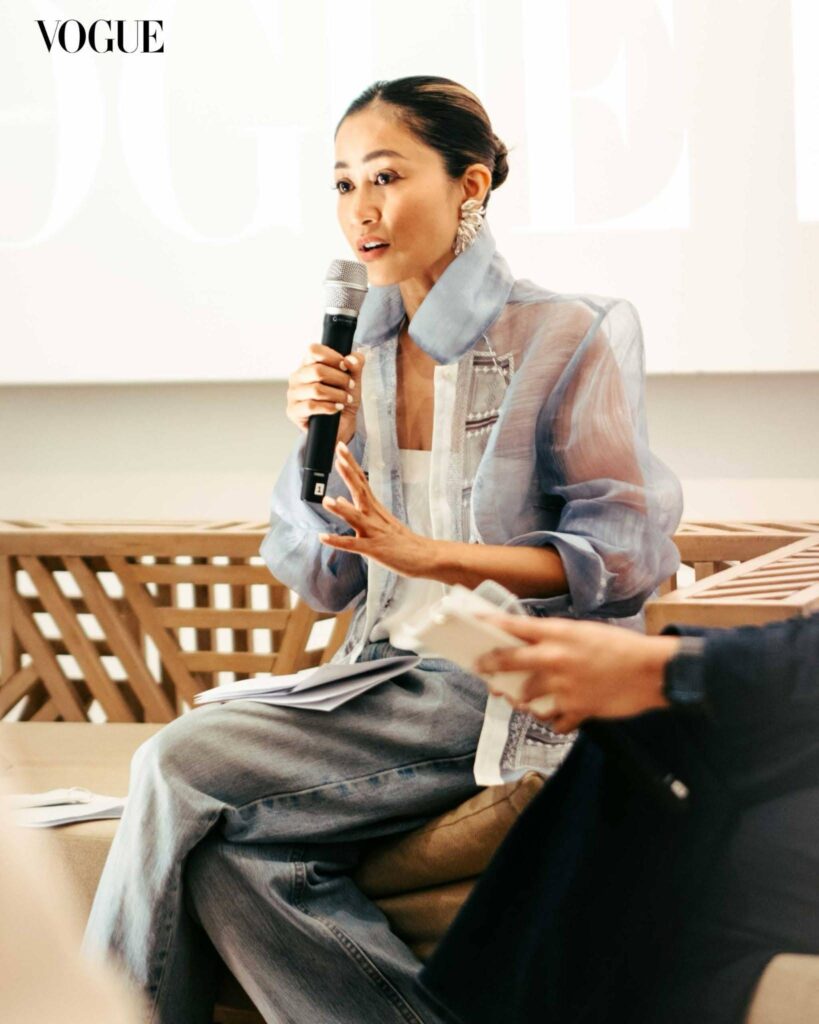
Pam Quiñones, Deputy Editor and Fashion Director of Vogue Philippines
For Pam Quiñones, Deputy Editor and Fashion Director of Vogue Philippines, The Vogue Village was envisioned as a community that would reflect the brand’s values and its approach to Filipino creativity: “We envisioned The Vogue Village as a barangay where each of our departments, from beauty and fashion to culture, would have its own space and identity, showcasing what Ancestral Intelligence and Artistic Intelligence mean to us. It is a community-driven experience that reflects the different creative disciplines and perspectives within Vogue Philippines.”
Five Houses, Five Perspectives
Set within The Henry Hotel’s heritage compound, the Vogue Village featured five curated houses that invited guests to engage with Filipino creativity through different disciplines.
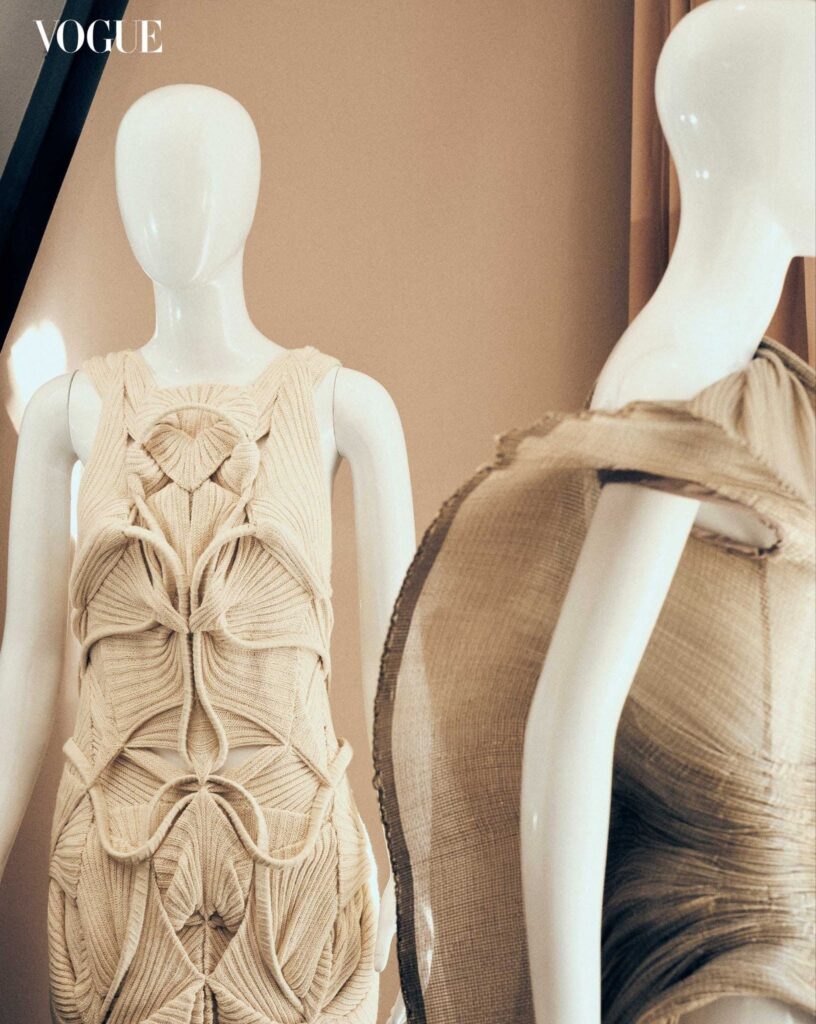
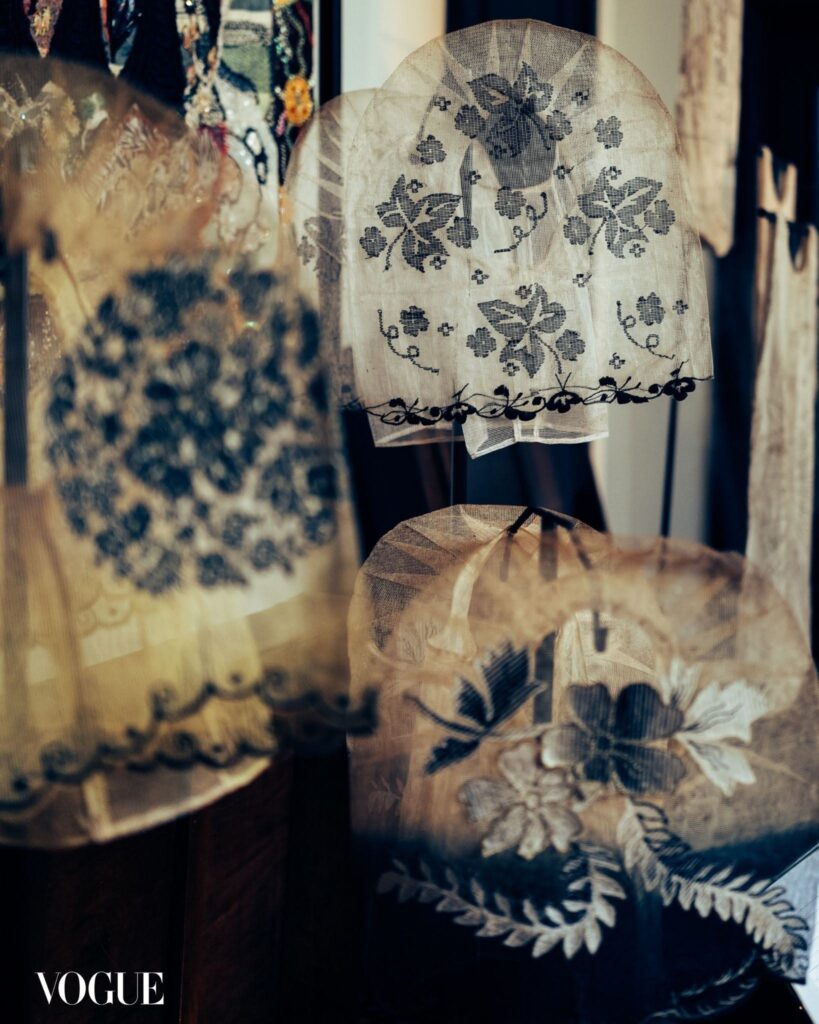
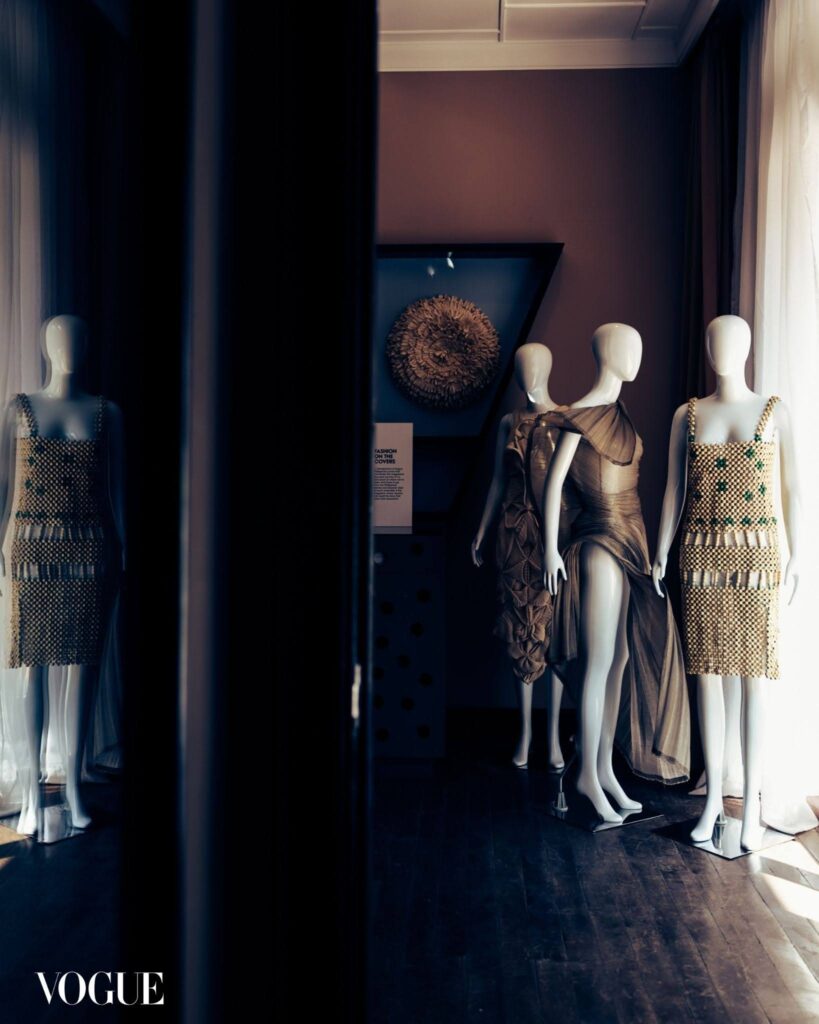
The Fashion House traced the relationship between memory and innovation through works and personal objects of Filipino designers and creatives, including Patis Tesoro, Josie Natori, Wynn Wynn Ong, Lulu Tan-Gan, Rita Nazareno, Joyce Makitalo, Len Cabili, Mich Dulce, Natalya Lagdameo, Gabbie Sarenas, Bea and Marga Valdes, and Jo Ann Bitagcol. It also featured wearable art by Michelline Syjuco and a working studio installation by Inigo Elizalde Rugs, offering a closer look at the ideas, influences, and processes behind design.
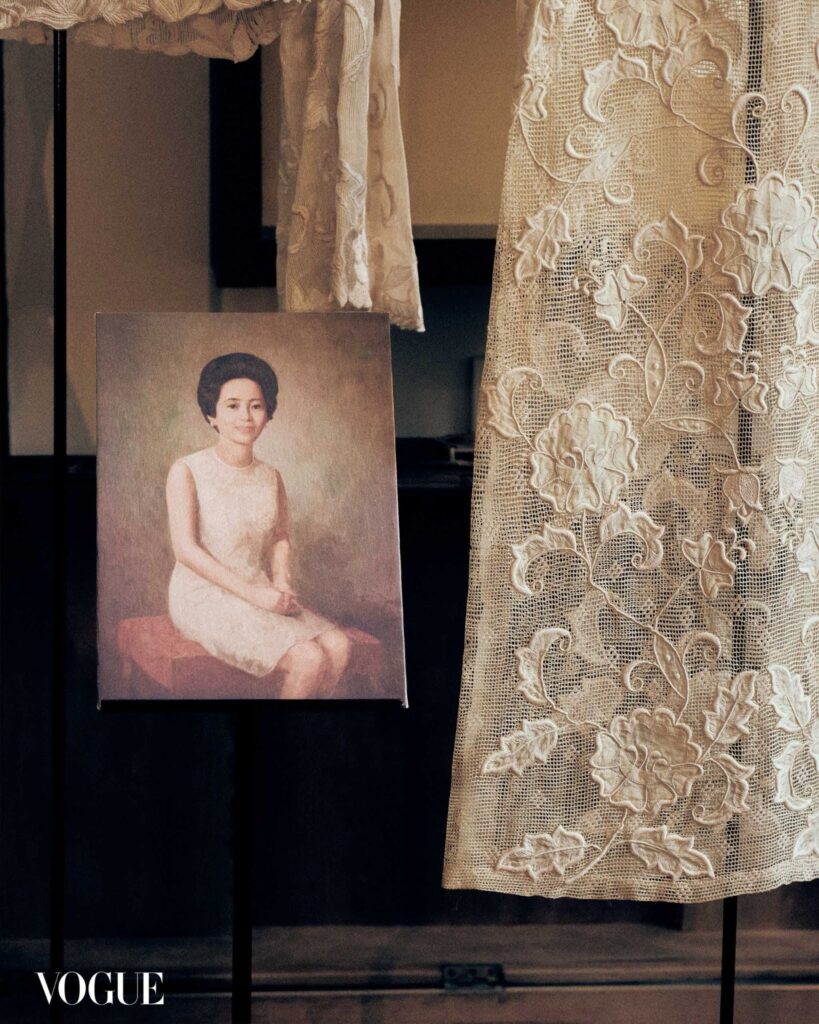
The Culture House, curated by scenographer and exhibition designer Gino Gonzales, explored dance, music, sculpture, literature, film, and painting through the work of Filipino artists, musicians, and makers. The space highlighted the many ways cultural memory, place, and tradition inform artistic expression.
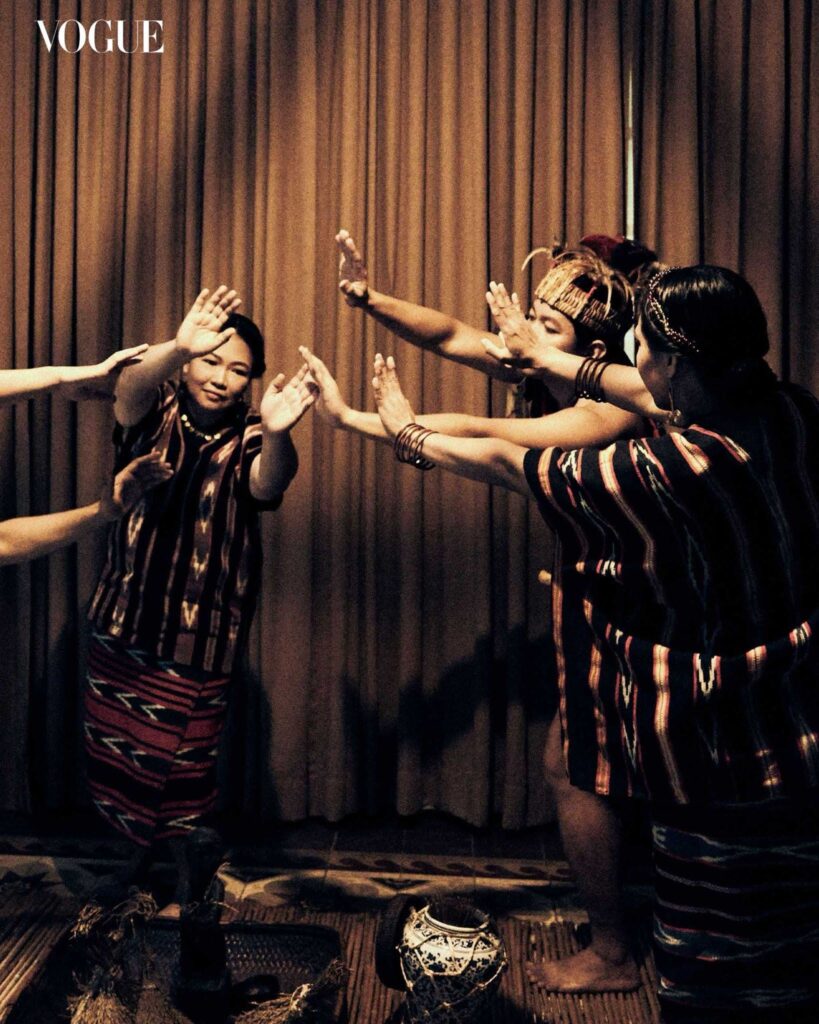
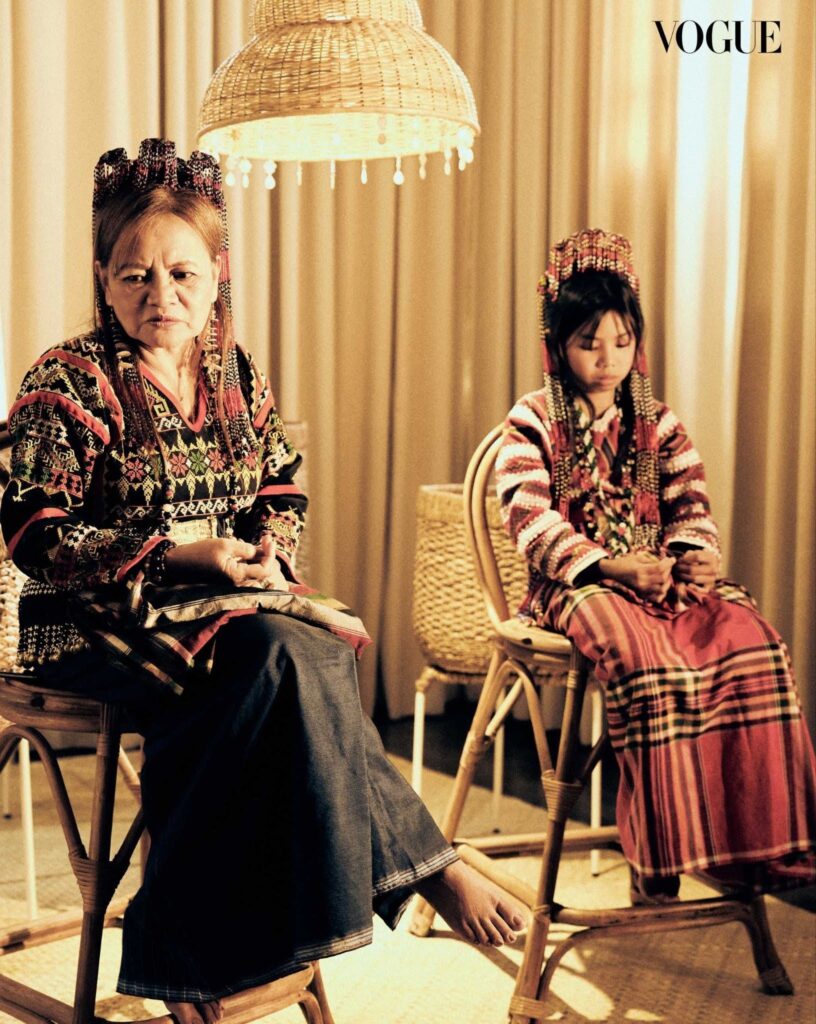
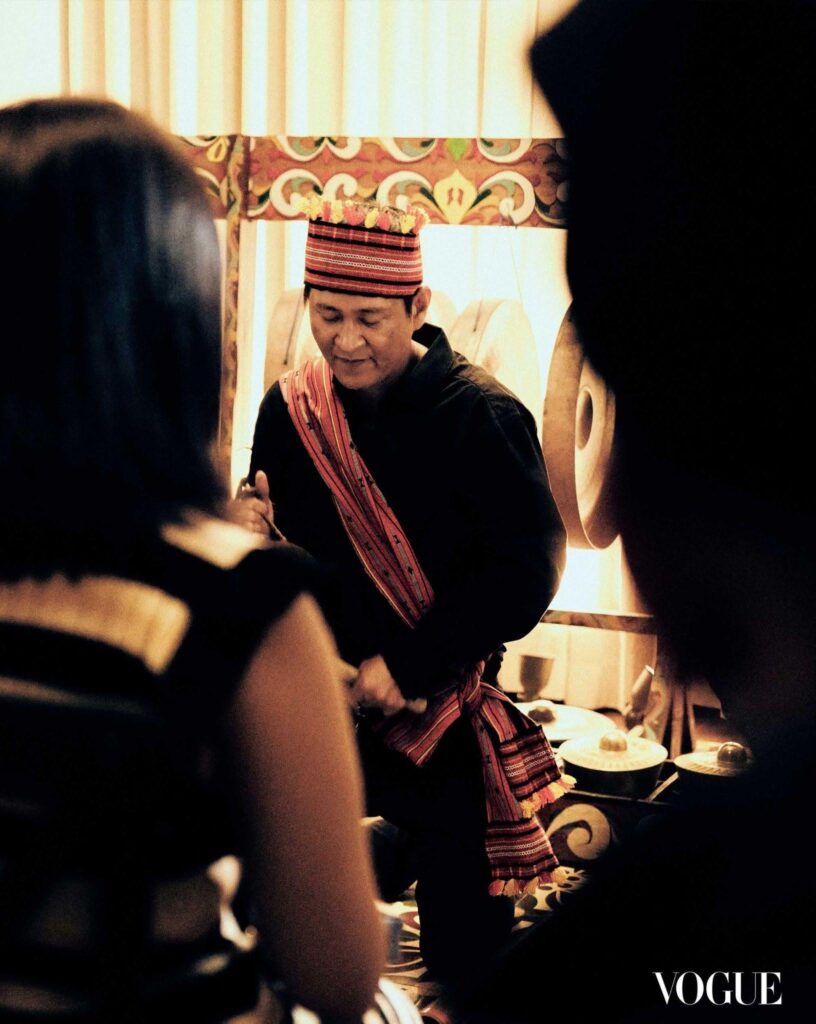
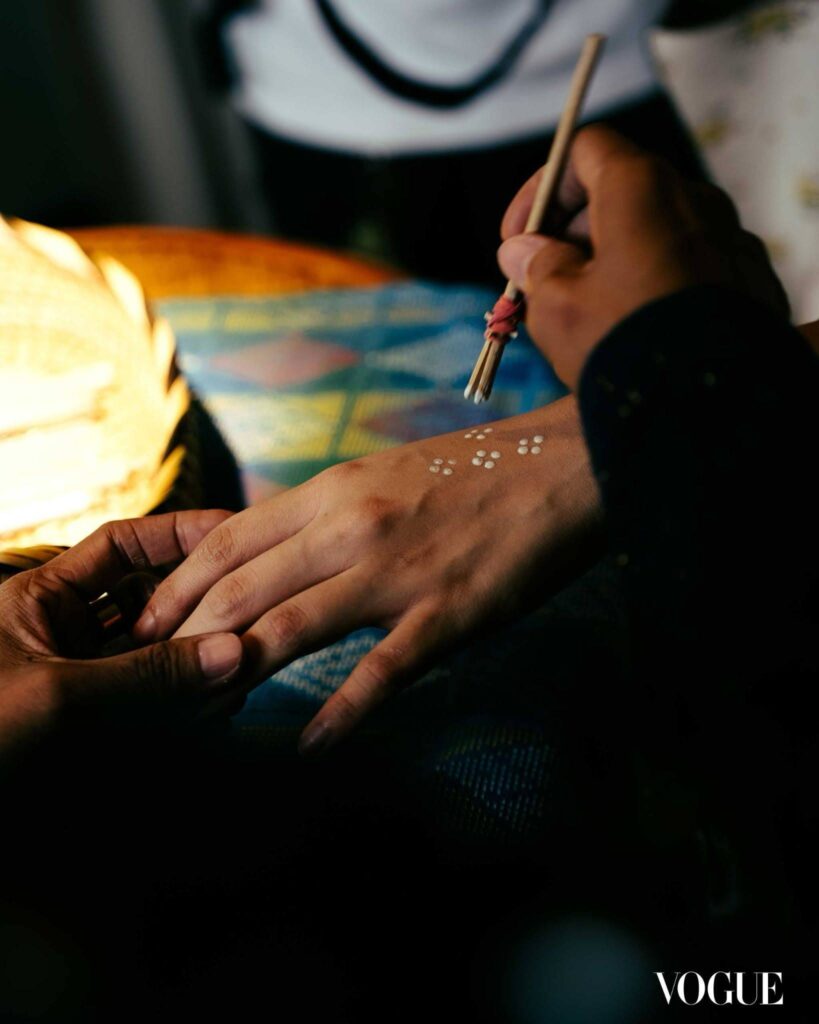
The Beauty House, curated by Aian Raquel, translated the Filipino concepts of dama and ginhawa into a sensory journey rooted in local traditions and everyday rituals. Experiences ranged from suob and the sound of Maguindanao gongs to a barefoot space featuring handwoven banig, guided meditation, and medicinal plants, inviting guests to reconnect with Filipino approaches to wellness.
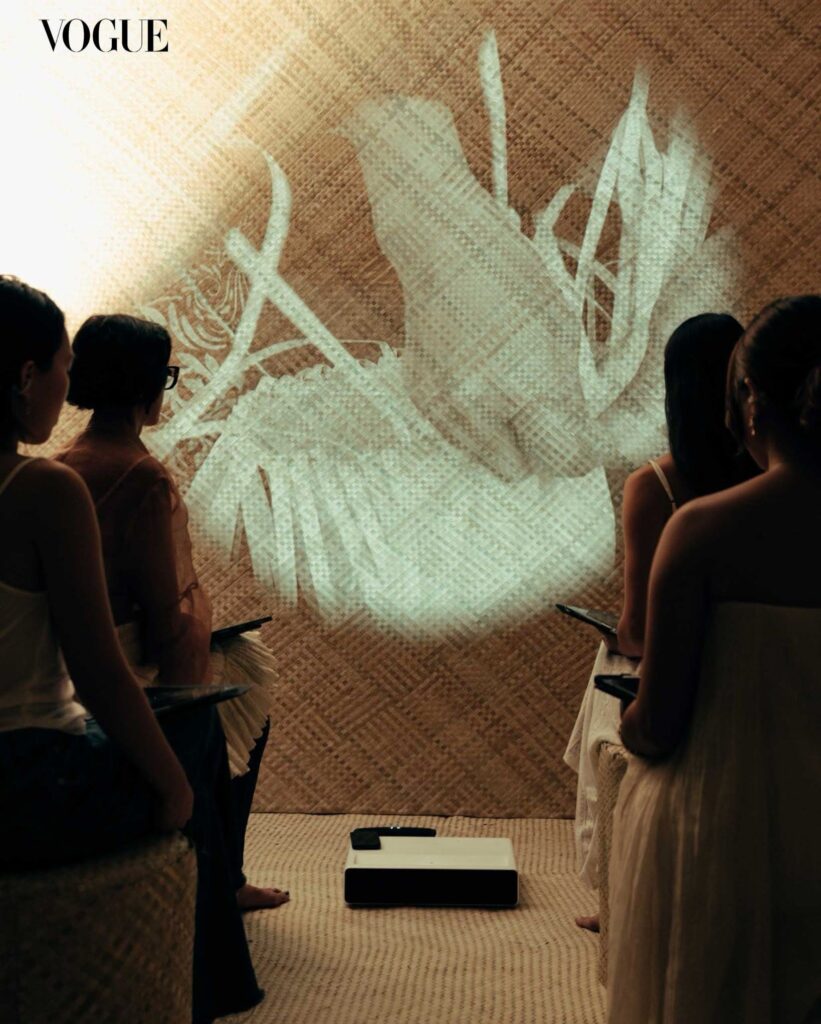
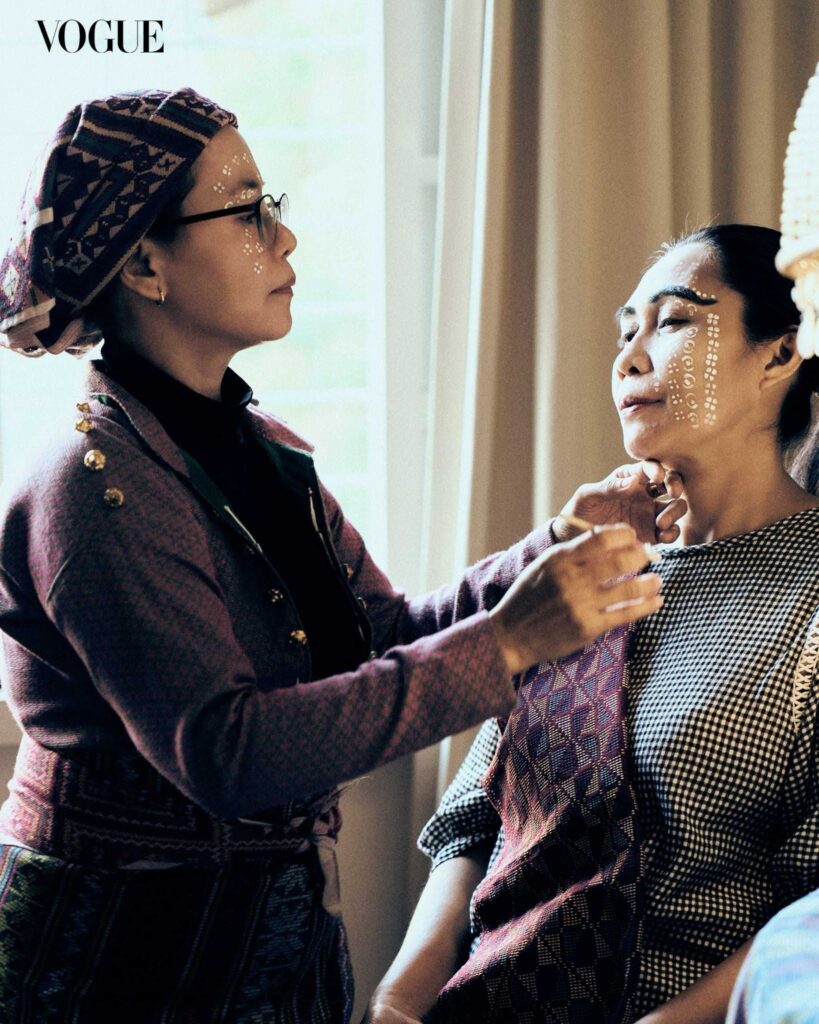
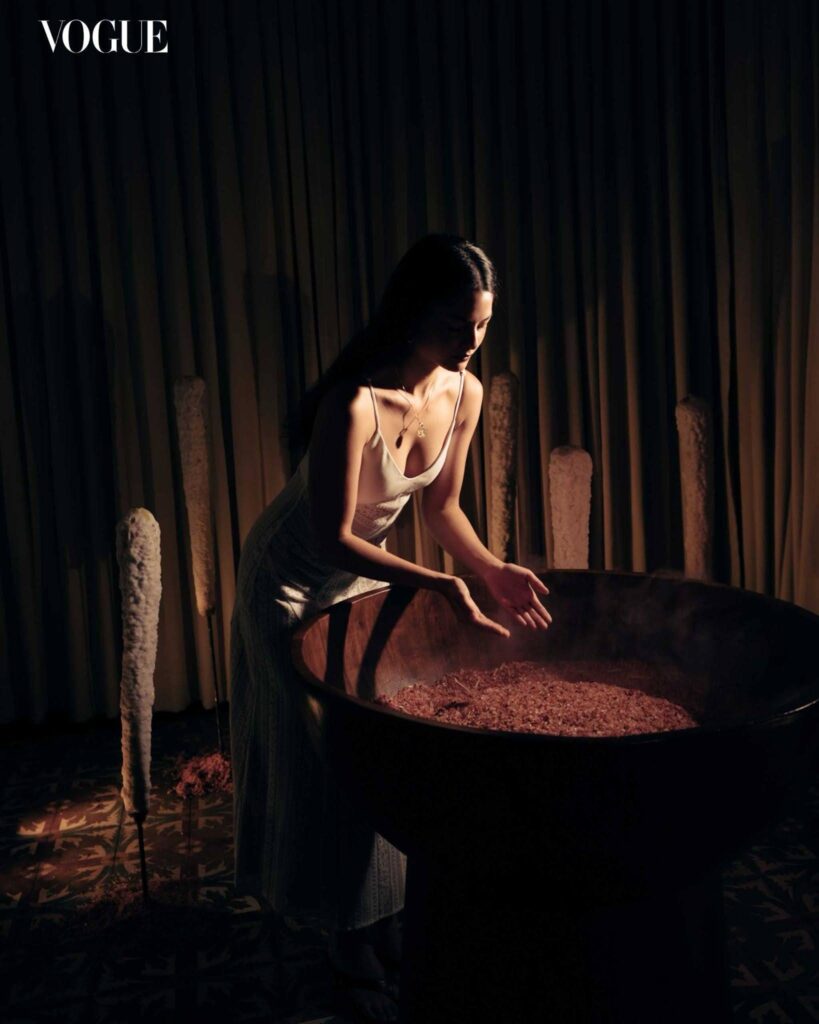
The Vogue Lounge explored the relationship between analog technology and contemporary art through interactive displays and spaces for content creation. Meanwhile, the House of Experts by Allure Philippines offered an experiential tour of beauty and well-being, with partner-led experiences and product displays that introduced guests to new insights for their everyday routines.
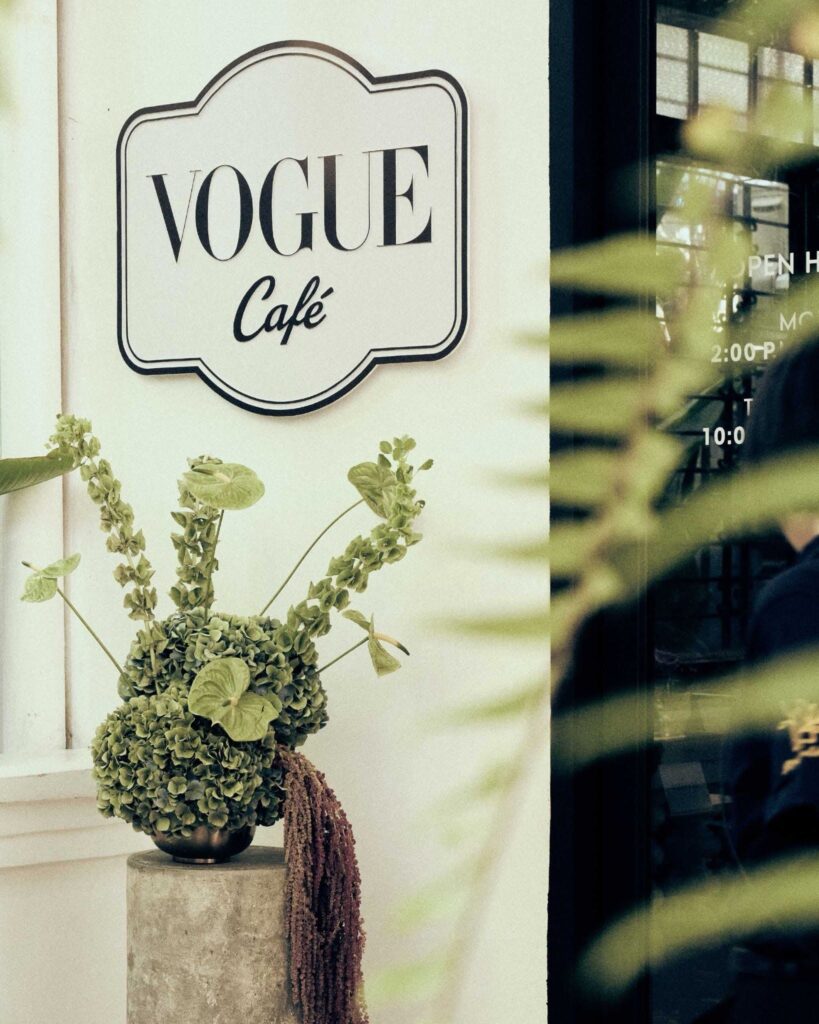
Vogue Café made its Philippine debut at The Vogue Village
The village also extended beyond its five houses. The first Vogue Café in the Philippines served a menu by Chef Rhea Rizzo of Mrs. Saldo’s in Silang, Cavite, drawing on Filipino food memories and international influences. Vogue Talks also featured conversations on traditional craftsmanship, creative entrepreneurship, heritage jewelry, wellness, personal style, and the future of intelligence and creativity.
The scale of the event also called for close coordination among the teams and creative partners responsible for its development and execution. For KJ Vilanueva, Events Manager of AGC Power Holdings Corp. (AGC PHC) Events Production, working on Vogue Threads 2026 was an experience that deepened his appreciation for collaboration and creative work:
“Collaborating with our curators, artists, and internal teams revealed the true depth and meaning of ‘it takes a village’—proving what can be achieved when distinct talents unite around a single vision. Ultimately, bringing this year’s edition to life wasn’t just about producing another Vogue Threads. It was about sustaining an ecosystem that elevates Filipino craftsmanship and tells the meaningful stories of our culture, heritage, and people. It has permanently reshaped how I view collaborative creation and left me with profound pride in what we accomplished together.”
Carrying Tradition Into the Future
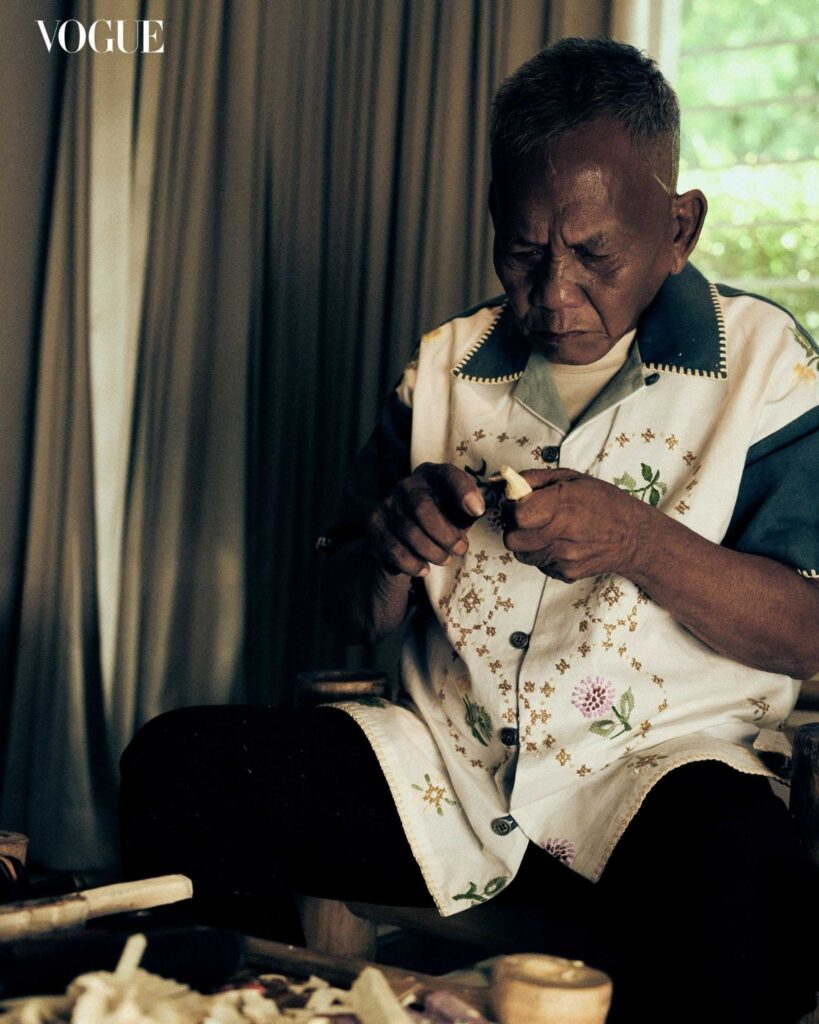
Beyond the installations and programming, Vogue Threads 2026 also highlighted the people behind Filipino craftsmanship and creative traditions. Through its different spaces and activities, the event gave guests a closer look at the artists, artisans, and cultural practices that continue to shape Filipino creativity.
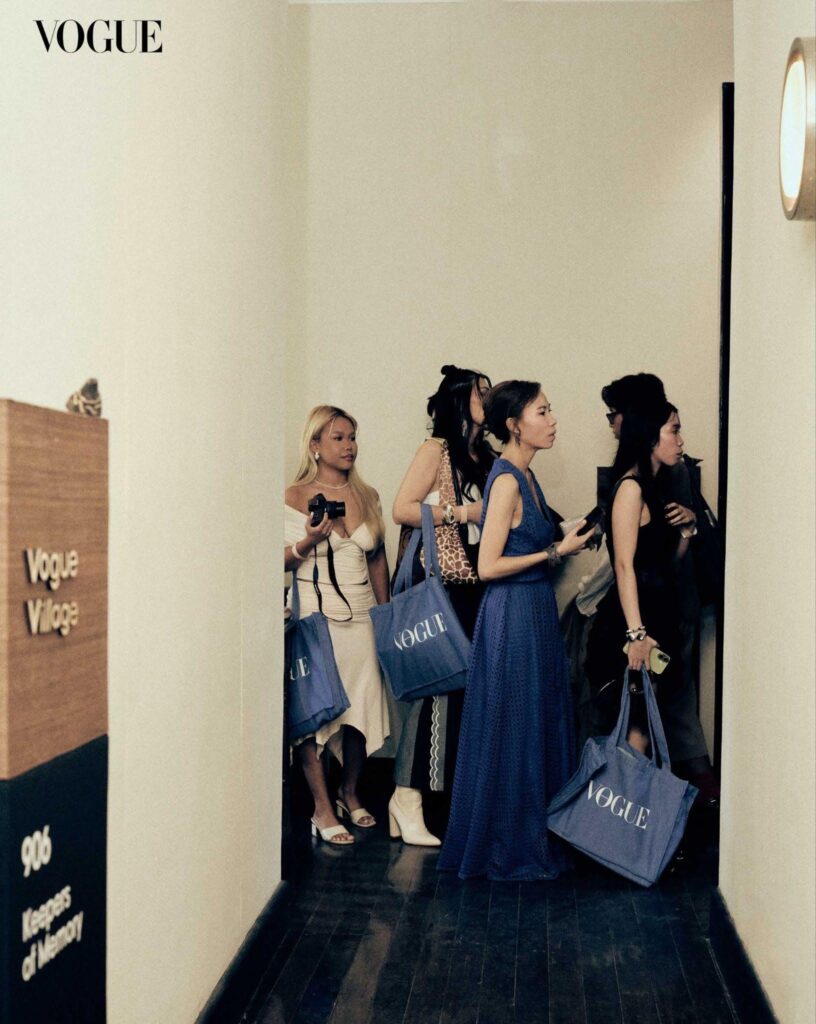
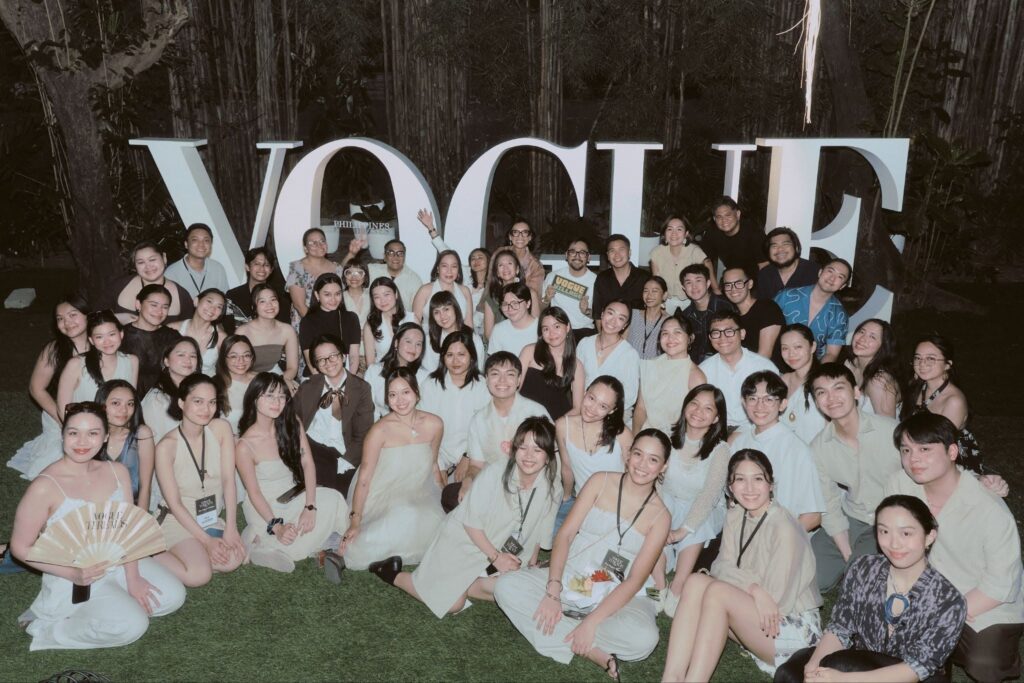
Guests exploring the five houses at the Vogue Village
The event’s focus on Filipino creativity was also reflected in Vogue Philippines’ commitment to recognizing local talent and craftsmanship. As Bea Zamora, Brand Manager of Vogue Philippines, shared, “We want guests to remember to honor the hands of the artists and the artisans that we have in the Philippines. I hope that they leave the Vogue Village with a deep sense of pride for Filipino culture and a deep inspiration to create more.”
Through The Vogue Village, Vogue Threads continued its commitment to giving Filipino craftsmanship and creative heritage greater visibility. It showed how traditions can remain relevant through the people who carry them forward and the new ideas they inspire.
Photos courtesy of Vogue Philippines; team photo by Hallvard Cano.